
Highlights:
- Break the job into zones instead of tackling the whole house at once. Working one room or area at a time keeps the project realistic and prevents burnout.
- Set up a simple sorting system before you start. Keep, donate, sell, and toss piles (plus an optional “relocate” pile) force you to make a decision on every item.
- Ask honest questions about each item. If you haven’t used it in a year, don’t truly love it, or wouldn’t buy it again today, it’s probably time to let it go.
- Don’t forget the hidden clutter. Paper piles, expired products in the bathroom and pantry, and digital files all deserve a spot on your checklist.
- Send unwanted items to the right place. Sell what has value, donate what’s in good shape, and use proper drop-off programs for recycling and hazardous materials.
- Give everything a designated home. Storing items where you use them, labeling bins, and following a one-in, one-out rule keep clutter from creeping back.
- Small habits beat big marathons. Ten-minute daily tidies, weekly resets, and monthly mini-purges help your spring results last all year.
Every spring, the same thing happens. The sun comes out, you notice how much dust is sitting on the bookshelf, and you suddenly want to open every window and throw half your belongings into the nearest bin. That urge is a good one, but without a plan it usually fizzles out after an hour, leaving you with a half-sorted pile in the hallway and a strong desire to lie down.
This spring cleaning checklist is here to fix that. It walks you through your home one area at a time, with clear steps, realistic goals, and a few tricks to make the results last. You don’t need a fancy system or a free week off work. You just need a bit of structure and a willingness to let go of things that no longer serve you.
Why Spring Cleaning Still Matters
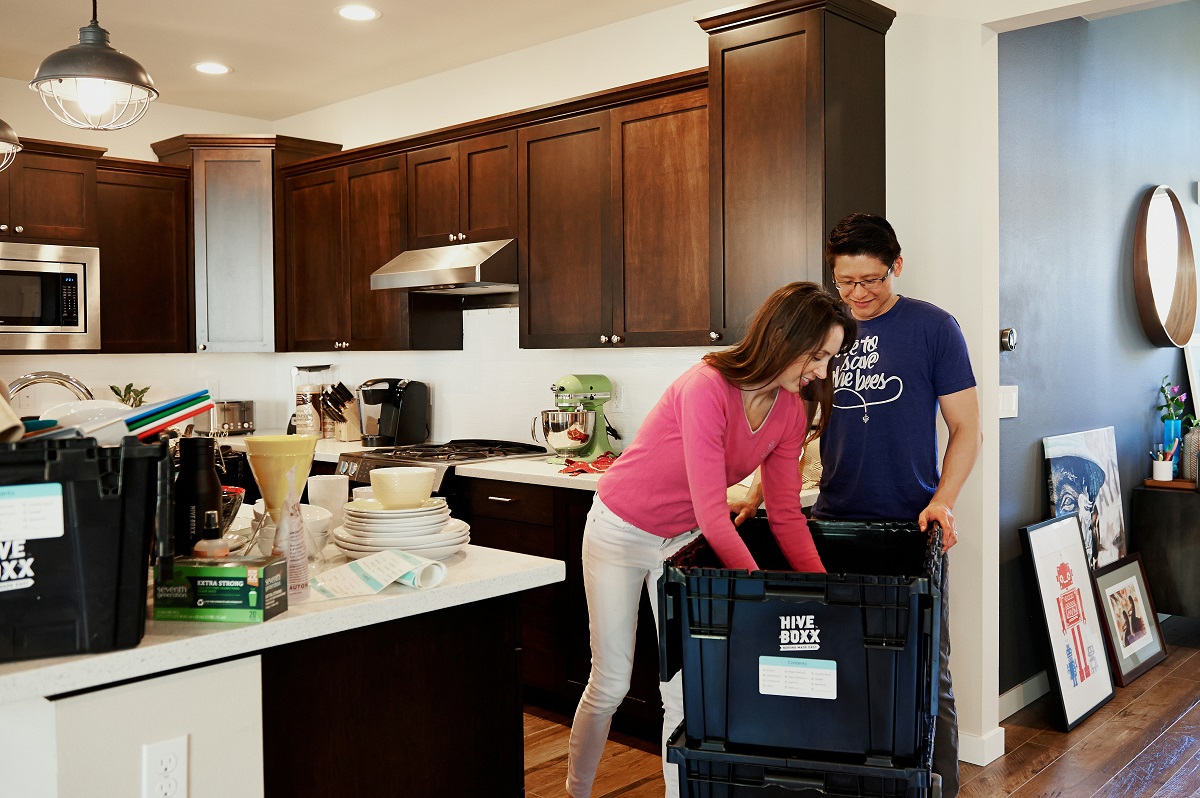
Spring cleaning is more than an old tradition. After months of staying indoors, most homes have quietly collected clutter, stale air, and forgotten corners. A seasonal reset gives you a natural deadline and a fresh start.
There are real benefits to doing it, too:
- Less stress: Visual clutter competes for your attention, and a tidier space tends to feel calmer.
- Better health: Dust, pet dander, and mold thrive in neglected spots. A deep clean can ease allergy symptoms.
- More time: When everything has a home, you stop hunting for keys, chargers, and that one good pair of scissors.
- Extra cash and space: Unused items can be sold or donated, and you get your closets back.
Think of spring cleaning as maintenance for your daily life. A little effort now saves a lot of frustration later.
Before You Start: Set Yourself Up for Success
The biggest mistake people make is diving in without preparation. Spend thirty minutes getting ready and the whole process will run smoother.
Pick your timeline. Decide whether you’ll tackle everything over a weekend or spread it across four weeks. For most people, one room or zone per day, or one area per weekend, is more sustainable than a marathon.
Gather your supplies. Have these on hand before you begin:
- Heavy-duty trash bags
- Cardboard boxes or bins for sorting
- Sticky notes and a marker for labeling
- All-purpose cleaner, glass cleaner, and microfiber cloths
- A vacuum, mop, and duster with an extendable handle
- Rubber gloves
- A step stool for high shelves
Create your sorting system. Set up four containers or zones: keep, donate, sell, and toss. Some people add a fifth called “relocate” for items that belong in a different room. Having these ready means you make a decision on every item instead of moving it from one pile to another.
Play your favorite music or a podcast. It sounds silly, but a good playlist makes the time fly and keeps your energy up.
The Simple Rules of Decluttering
Knowing what to keep is often harder than the cleaning itself. These guidelines can make the decisions easier when you’re staring at an object and feeling unsure.
Ask yourself a few honest questions about each item:
- Have I used this in the last twelve months?
- Do I genuinely love it, or does it just make me feel guilty to throw it away?
- Is it broken, and will I realistically fix it?
- Do I own duplicates?
- If I saw this in a store today, would I buy it?
If the answers point toward no, it’s time to go. For seasonal items like winter coats or holiday decorations, the twelve-month rule doesn’t apply, so use “will I use this in the coming season” instead.
Sentimental items deserve extra patience. Keep the ones that truly matter, but consider choosing a single memory box for each family member. When the box is full, something has to make room. Taking a photo of an item before letting it go can also help you keep the memory without keeping the object.
Kitchen Checklist
The kitchen is the heart of the home, and it collects clutter fast. Start here because the momentum from a clean kitchen carries over to the rest of the house.
Pantry and cabinets
- Pull everything out and wipe down the shelves.
- Check expiration dates and toss anything stale, expired, or stuck to the bottom of the shelf.
- Group like items together, such as baking supplies, canned goods, snacks, and breakfast foods.
- Move everyday items to eye level and store rarely used ones up high.
- Use clear containers or labeled bins to keep small items from scattering.
Fridge and freezer
- Empty each shelf, discard anything past its prime, and scrub the shelves and drawers.
- Wipe down condiments before returning them.
- Check the freezer for ancient leftovers and freezer-burned mystery items.
Cookware and gadgets
- Donate the second waffle iron, the mismatched food containers, and the gadget you used once.
- Match every container with a lid, and recycle the ones that don’t have a partner.
- Keep only as many mugs, glasses, and plates as your household actually uses.
Finish by cleaning the oven, wiping the exterior of appliances, and degreasing the range hood. It’s not glamorous, but the payoff is huge.
Living Room Checklist
The living room is where clutter tends to pile up in plain sight. Coffee tables, side tables, and media consoles become landing zones for mail, remotes, and half-read magazines.
Begin by clearing all the surfaces. Put everything into a basket, then return only the items that belong in the room. Anything left over goes to its proper home or into one of your sorting piles.
Next, take a hard look at your media collection. Old DVDs, outdated cables, and cracked game cases take up valuable shelf space. Keep the favorites and part with the rest.
Here are a few living room tasks to add to your list:
- Vacuum under and between sofa cushions, where crumbs and coins hide.
- Wash throw blankets and pillow covers.
- Dust the ceiling fan, light fixtures, and baseboards.
- Clean the windows and wash or vacuum the curtains.
- Rotate or shampoo the rug.
- Reduce the number of decorative items to what you truly enjoy looking at.
Finally, add a few baskets or lidded boxes for things you want close but not visible, such as remotes, board games, and kids’ toys.
Bedroom and Closet Checklist
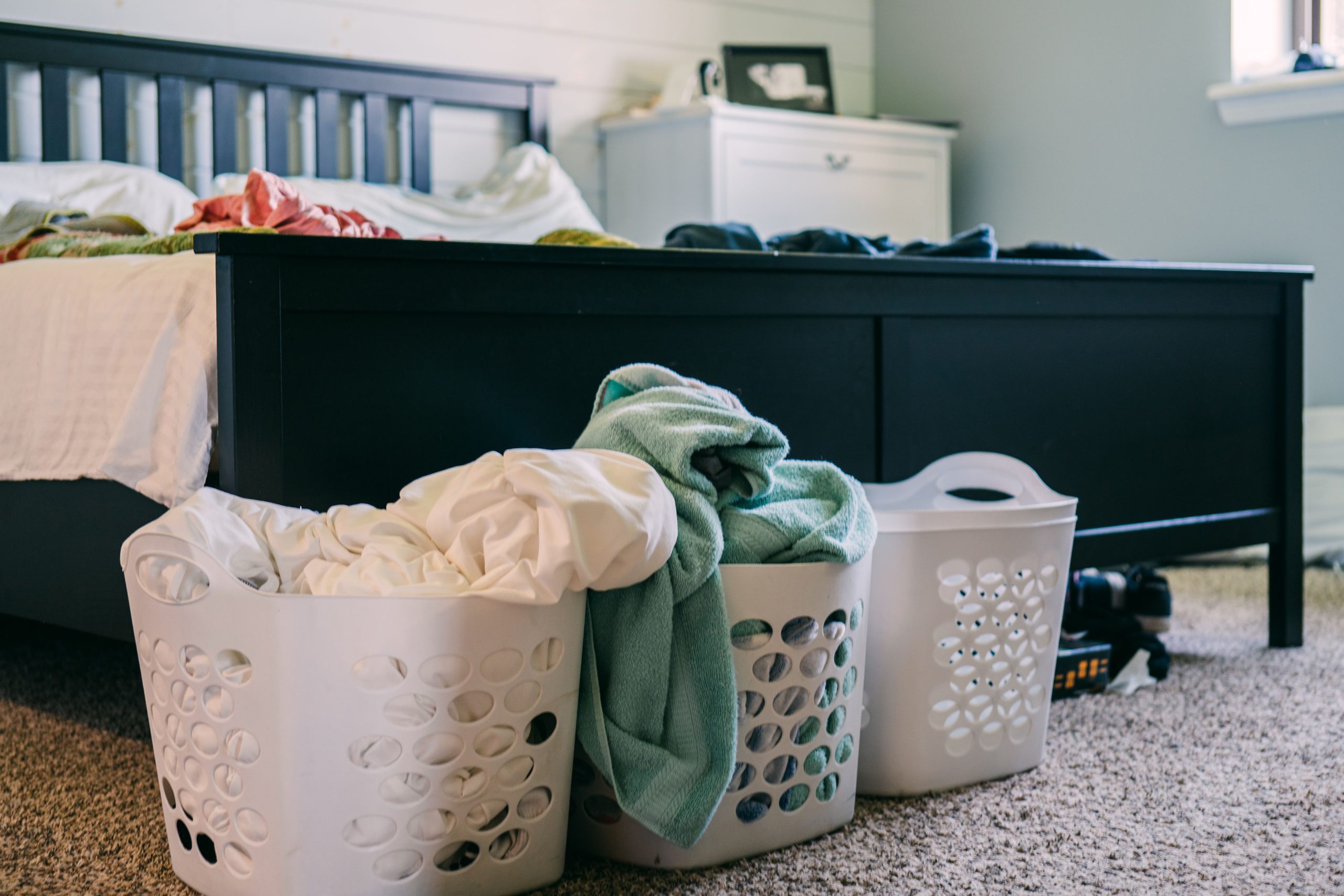
Your bedroom should be a place to rest, so keep it as calm and uncluttered as possible. The closet is usually where the real work happens.
The closet purge. Take everything out and lay it on the bed. Yes, everything. Seeing your entire wardrobe at once is eye-opening. Then try on anything you’re unsure about. Be honest about fit, comfort, and how often you reach for it.
Sort clothes into these groups:
- Wear regularly
- Wear occasionally and love
- Doesn’t fit or doesn’t feel like me
- Needs repair or tailoring
Set a deadline for the repair pile. If it hasn’t been fixed within a month, let it go.
Storage tips. Store off-season clothing in labeled bins. Use matching hangers to make the closet look neater and free up space. Fold knits, hang blouses and dresses, and group items by type and color so you can see what you own.
Bed and nightstands. Wash the duvet, pillows, and mattress protector. Flip or rotate the mattress if the manufacturer recommends it. Clear out your nightstand drawers and keep only the essentials nearby, like a book, a lamp, and a charger.
Bathroom Checklist
Bathrooms are small, which means clutter shows up quickly. They also collect old products that no one remembers buying.
Start with the medicine cabinet and under-sink storage. Check the dates on medications, sunscreen, and cosmetics. Expired makeup and skincare can irritate your skin, so it’s worth being ruthless. Many pharmacies accept old medications for safe disposal, so avoid flushing them.
Then work through this list:
- Toss half-empty bottles you know you’ll never finish.
- Consolidate travel-size items into one small bag.
- Replace the toothbrush, loofah, and shower curtain liner.
- Scrub the grout, tub, sink, and toilet.
- Clean the exhaust fan cover, which gathers a surprising amount of dust.
- Wash bath mats and towels.
- Use drawer dividers and small trays to keep items sorted.
A tidy bathroom really does feel like a spa when you’ve cleared the countertop. Keep just a soap dispenser and maybe a small plant or candle out in the open.
Home Office and Paper Clutter
Paper clutter is sneaky. It arrives daily as mail, receipts, school forms, and flyers, and it can grow into a mountain before you notice.
Start by gathering every loose paper in the house into one box. Sort it into categories: to shred, to recycle, to file, and to act on. Handle the action pile right away, whether that means paying a bill, signing a form, or making a phone call.
For long-term filing, keep these documents:
- Tax returns and supporting records, typically for at least seven years
- Insurance policies and property records
- Medical and vaccination records
- Birth certificates, passports, and other vital documents
- Warranties for major appliances still in use
Most other paperwork can be scanned and saved digitally or discarded. Shred anything with account numbers, Social Security numbers, or other personal information.
Then look at your desk. Clear the surface, wipe it down, and keep only what you use every day. Sort pens, cables, and sticky notes into a drawer organizer. If a supply hasn’t been used in a year, it doesn’t need to stay.
Garage, Basement, and Attic Checklist
These spaces often become “someday” storage, where things go to wait for a decision. Spring is the perfect time to make that decision.
Set aside a full day if you can, and choose a day with good weather so you can spread things out in the driveway. Sort items into clear categories such as tools, sports gear, holiday decorations, paint, and camping equipment.
Watch for these common items that are worth clearing out:
- Old paint cans, chemicals, and batteries, which need proper hazardous waste disposal
- Broken equipment and tools you’ve replaced
- Outgrown sports gear and kids’ bikes
- Boxes you haven’t opened since your last move
- Duplicate hardware, extension cords, and hoses
Once you’ve pared things down, install sturdy shelving and use clear, stackable bins with labels. Store heavy items low and lighter ones up high. Hang tools and garden equipment on the wall to free up floor space, and leave a clear path so you can actually reach things.
Digital Clutter Checklist
Spring cleaning isn’t just about physical stuff. Digital clutter can slow you down and make it harder to find what matters.
Set aside an afternoon to work through these tasks:
- Delete old photos, screenshots, and duplicate files.
- Unsubscribe from promotional emails you never read.
- Clear out your downloads folder.
- Organize files into a simple folder structure with clear names.
- Uninstall apps you no longer use.
- Update passwords and turn on two-factor authentication where possible.
- Back up important files to an external drive or a cloud service.
- Tidy your desktop and phone home screen.
Your inbox deserves special attention. Try archiving anything older than six months, then set up a few filters so newsletters and receipts sort themselves. A clean digital space means less mental noise every day.
Turn Your Extra Stuff Into Cash
Once your sort piles start growing, you’ll notice a “sell” pile that could bring in a nice bit of money. Many people don’t realize how much value is sitting in closets and garages. If you’re wondering how to make money while decluttering, the answer is simply to be strategic about what you sell and where.
Here are some smart places to list your items:
- Online marketplaces: Great for furniture, electronics, and household goods. Local pickup keeps things simple.
- Resale apps: Ideal for clothing, shoes, and accessories in good condition.
- Consignment shops: Good for higher-end fashion and children’s items, though they take a percentage.
- Garage sales: A quick way to move a lot of items in one day.
- Trade-in programs: Some retailers and electronics companies offer credit or cash for used devices.
- Book and media buyback: Useful for textbooks, novels, and games.
A few tips will boost your results. Take bright, clear photos and write honest descriptions. Price fairly by checking what similar items have sold for. Bundle small items together, and set a deadline. If something hasn’t sold within a few weeks, donate it. Selling should never become a second job that keeps the clutter around longer.
Donating, Recycling, and Disposing Responsibly
Not everything belongs in the trash, and not everything is worth selling. Sending items to the right place keeps them out of landfills and helps someone else.
Donate clean, usable items in good shape. Charity shops, shelters, schools, and community groups often have specific needs, so check their guidelines first. Many organizations also offer free pickup for larger donations.
Recycle paper, cardboard, glass, certain plastics, and metals according to your local rules. Electronics, batteries, and light bulbs often need special drop-off points.
Dispose of hazardous materials, such as paint, chemicals, and old medications, through official collection programs.
Here are some other creative options:
- Offer items for free in a neighborhood group.
- Give kids’ clothes and toys to friends or relatives.
- Donate old towels and blankets to an animal shelter.
- Pass leftover craft supplies to a local school or library.
A good rule is to drop off your donations within a day or two. Leaving bags by the door invites second-guessing and clutter creep.
Organizing Systems That Actually Stick
Decluttering clears the way, but organizing is what keeps the space working. The best systems are simple and match how you actually live.
- Give everything a home. When an item has a designated spot, putting it away takes seconds. If you can’t decide where something belongs, that’s a sign you may not need it.
- Use the one-in, one-out rule. When you bring something new into the house, let something old go. This keeps your belongings from creeping back up.
- Store things where you use them. Keep cleaning supplies near the areas you clean, and put your everyday dishes near the dishwasher.
- Label generously. Labels help everyone in the household follow the system, and they take the guesswork out of putting things back.
- Contain the small stuff. Trays, dividers, baskets, and drawer organizers stop little items from turning into chaos.
- Create a landing zone. Set up a hook, tray, or shelf by the door for keys, bags, and mail so they don’t spread across the house.
Keep Up the Momentum All Year
A big spring reset feels wonderful, but it’s the small habits that make it last. Otherwise you’ll be right back where you started by summer.
Try building these routines into your week:
- Ten-minute tidy: Set a timer each evening and put things back where they belong.
- Weekly reset: Choose one day to wipe surfaces, tackle laundry, and sort the mail.
- Monthly mini-purge: Pick one drawer, shelf, or cabinet and review it for items to remove.
- Seasonal swap: Rotate clothing and decor as the seasons change.
- Sunday check-in: Look at the week ahead and prep what you need so mornings feel easier.
It also helps to get the whole household involved. Assign age-appropriate tasks to kids, split chores fairly with a partner or roommates, and celebrate progress together. Nobody has to do it perfectly. Consistency beats perfection every time.
Your Spring Cleaning Checklist at a Glance
If you want a quick reference, here is the full list in one place:
- Set your timeline and gather supplies
- Create keep, donate, sell, and toss zones
- Clean out and reorganize the kitchen
- Refresh the living room
- Purge the closet and wash the bedding
- Clear out the bathroom and replace old products
- Sort paperwork and tidy the home office
- Tackle the garage, basement, and attic
- Clean up digital files and inboxes
- Sell, donate, recycle, or dispose of what you no longer need
- Put simple organizing systems in place
- Build small habits to maintain the results
Print it, save it to your phone, or tape it to the fridge, and check items off as you go. Seeing your progress is a great motivator.
Final Thoughts on a Fresh Start
Spring cleaning doesn’t have to be overwhelming. When you break it down into small, manageable steps, it becomes a series of quick wins instead of one giant chore. Start with a single drawer if that’s all you can manage today, and let the momentum build from there.
A home that feels light, clean, and organized supports the way you want to live. You’ll spend less time searching and stressing, and more time enjoying the space you’ve created. So open the windows, put on some music, and get started. Your future self will be very grateful.