In the evolving landscape of behavioral health and addiction treatment, flexibility and accessibility have become just as important as clinical effectiveness. One model that continues to grow in popularity is the intensive out patient approach, a structured yet adaptable form of care designed for individuals who need more support than weekly therapy but do not require 24-hour residential treatment.
This level of care bridges the gap between inpatient programs and standard outpatient therapy, offering a balanced solution for those working toward recovery while maintaining responsibilities at home, work, or school. As mental health and addiction challenges become more widely understood, the role of intensive out patient programs has become increasingly vital in helping individuals achieve sustainable progress without completely stepping away from their daily lives.
What Is Intensive Outpatient Care?
An intensive out patient program (often abbreviated as IOP) is a structured treatment model that typically includes several therapy sessions per week, each lasting a few hours. Unlike residential treatment, participants return home after each session.
However, unlike standard outpatient therapy, the frequency and intensity of care are significantly higher.
These programs often include a combination of individual counseling, group therapy, family involvement, and skill-building workshops. The goal is to address the underlying causes of conditions such as substance use disorders, anxiety, depression, or trauma while helping individuals build coping strategies for real-world situations.
Because of its flexible structure, the intensive out patient model allows individuals to continue meeting personal and professional obligations while still receiving consistent therapeutic support.
Who Can Benefit From Intensive Outpatient Programs?
The intensive out patient level of care is ideal for a wide range of individuals, particularly those who:
- Have completed inpatient or residential treatment and need continued support
- Require structured treatment but have a stable home environment
- Are dealing with moderate substance use or mental health conditions
- Need to balance recovery with work, school, or family responsibilities
For many people struggling with substance use disorders or co-occurring mental health conditions, stepping directly into an outpatient setting without adequate structure can feel overwhelming. The intensive out patient model provides a middle ground that helps individuals gradually transition toward independence while maintaining accountability and therapeutic engagement.
Key Components of Intensive Outpatient Treatment
A well-designed intensive out patient program typically incorporates multiple evidence-based therapies and support systems. While each program may vary, most include the following core components:
1. Individual Therapy
One-on-one sessions with a licensed therapist allow participants to explore personal challenges, identify triggers, and develop customized coping strategies.
2. Group Therapy
Group sessions provide peer support and shared experiences, helping individuals feel less isolated in their recovery journey. These sessions often focus on communication skills, emotional regulation, and relapse prevention.
3. Family Counseling
Because addiction and mental health conditions often affect entire households, family involvement can play a crucial role in healing relationships and improving communication patterns.
4. Skills Training and Education
Participants learn practical tools for managing stress, avoiding relapse, and maintaining long-term wellness. Topics may include mindfulness, emotional regulation, and lifestyle planning.
Benefits of Intensive Outpatient Care
One of the most significant advantages of the intensive out patient model is its flexibility. Individuals can receive high-quality treatment without stepping away from their daily lives, making it more accessible for those with work or family commitments.
Other key benefits include:
- Real-world application: Patients can immediately apply coping strategies in their everyday environments.
- Lower disruption: No need for extended time away from home or employment.
- Strong support system: Regular therapy sessions provide consistent guidance and accountability.
- Cost-effectiveness: Typically less expensive than inpatient care while still offering structured treatment.
Additionally, the gradual nature of the intensive out patient approach helps reduce the shock that can sometimes occur when transitioning from a highly controlled environment back into everyday life.
Intensive Outpatient vs. Inpatient Treatment
While both inpatient and intensive out patient programs aim to support recovery, they differ significantly in structure and intensity. Inpatient treatment requires individuals to reside at a facility full-time, offering 24/7 supervision and support. This is often best suited for severe cases or situations requiring medical stabilization.
In contrast, intensive out patient care allows individuals to live at home and participate in treatment during scheduled hours. This makes it a more suitable option for those with stable living conditions and a strong desire to maintain daily responsibilities while pursuing recovery.
Choosing between these levels of care depends on individual needs, severity of symptoms, and professional clinical recommendations.
The Path Forward in Recovery
Recovery is not a one-size-fits-all journey. For many individuals, the intensive out patient model provides the ideal combination of structure, flexibility, and ongoing support. It encourages independence while still offering the therapeutic guidance necessary to build lasting change.
As awareness of mental health and addiction continues to grow, more people are recognizing the importance of accessible, adaptable treatment options. The intensive out patient approach stands out as a practical and effective pathway for those seeking recovery without putting their entire lives on hold.
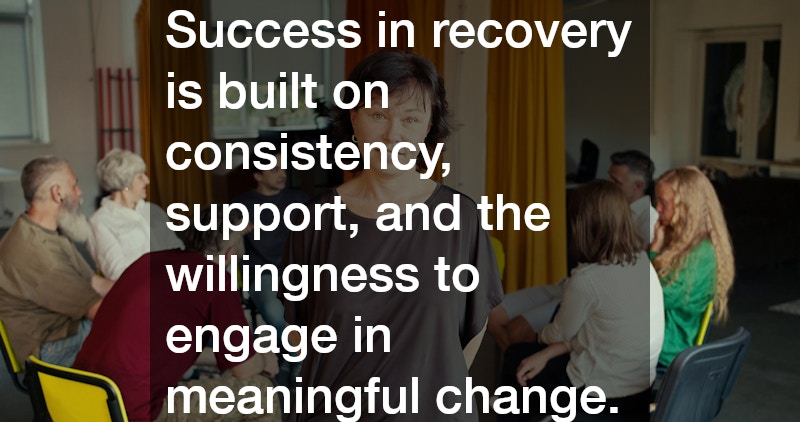
Ultimately, success in recovery is built on consistency, support, and the willingness to engage in meaningful change. With the right program and commitment, individuals can move forward with confidence, stability, and a renewed sense of purpose.