Selecting a preschool for your child is a crucial decision that can significantly impact their early development. Parents are often inundated with various options, each promising outstanding results. In this era of educational experimentation, understanding the fundamental aspects of a successful preschool is essential. This article explores the characteristics that distinguish exemplary preschools from the rest.
What Are the Key Features of an Ideal Preschool Environment?
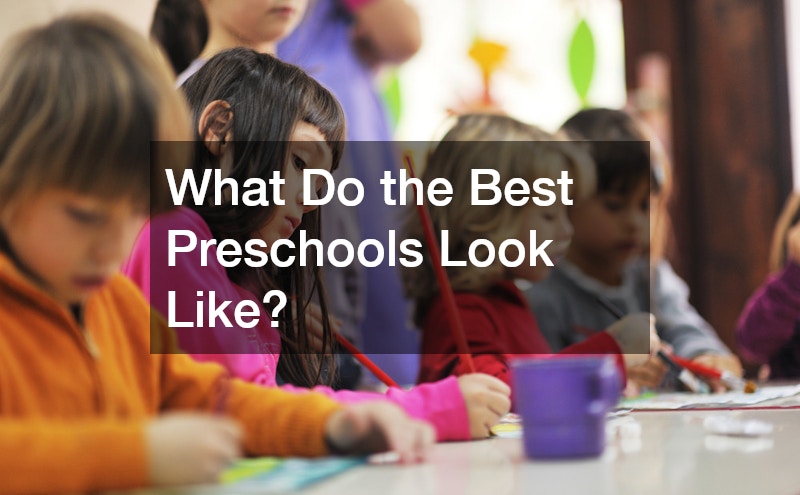
The best preschools are characterized by environments designed to promote safety and creativity. Safety is paramount, with secure premises equipped with child-appropriate furniture and materials that reduce injury risks.
A nurturing environment encourages exploration and innovation, fostering a love for learning from a tender age. Spaces are vibrant and stimulating, filled with resources that cater to diverse learning styles and preferences. Children are inspired to engage, experiment, and express themselves freely, which fosters confidence and independence.
An ideal preschool environment emphasizes inclusivity and adaptability. Classrooms are designed to accommodate various physical and cognitive needs, assuring that every child feels welcomed and supported. Staff are trained to modify the environment to suit individual learning requirements, allowing for personalized education. This customization can involve changes in seating arrangements, access to sensory tools, or tailored activity plans. As a result, children thrive in settings that honor their uniqueness and potential.
Moreover, the best preschools integrate nature into learning experiences, recognizing its value in holistic growth. Outdoor spaces are extensions of the classroom, providing opportunities for physical activity, exploration, and environmental stewardship. Nature-centric learning promotes not only physical well-being but also emotional and cognitive development. By interacting with the natural world, children learn to observe, analyze, and build connections with living systems. This approach enriches their understanding and empathy towards the environment and themselves.
How Do the Best Preschools Support Emotional and Social Development?
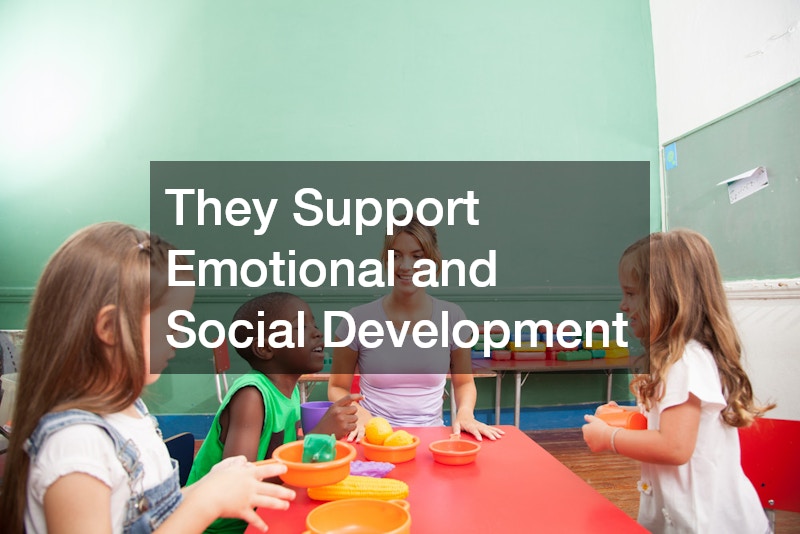
Emotional and social development are central to the curricula of the leading preschools. These institutions prioritize emotional intelligence by cultivating environments where children feel valued and heard. Educators employ strategies such as role-playing and collaborative games to teach empathy and communication skills. Developing emotional awareness and resilience in children is vital for navigating interpersonal relationships. Through establishing strong emotional foundations, preschools equip children with tools to manage complex feelings and social challenges.
Integration of social-emotional learning approaches into daily routines is a hallmark of successful preschools. Activities are designed to encourage cooperation, patience, and mutual respect. Teachers model positive behaviors, guiding children through conflict resolution processes and encouraging emotional expression in constructive ways. Parents often observe improved social interactions, where children adeptly balance their needs with those of peers. Such nurturing communities are pivotal for developing lifelong social skills necessary inside and outside the classroom.
Furthermore, leading preschools engage families as active participants in social-emotional growth. Regular workshops and communication channels keep parents informed and involved in fostering skills at home. Partnerships between educators and guardians reinforce consistent support, ensuring children receive coherent guidance. As a result, a strong parent-school relationship amplifies developmental outcomes, offering children an unwavering network of encouragement and care. The collaboration underscores the role of community in nurturing emotionally intelligent and socially adept individuals.
What Curriculum Elements Are Essential in Leading Preschools?
Curriculum design in leading preschools is thoughtfully aligned with developmental benchmarks and child-centered learning principles. These curricula balance structure with flexibility, allowing educators to respond to children’s spontaneous interests. Hands-on, experiential learning activities are emphasized, which cater to cognitive development through active engagement. For instance, incorporating play-based learning can stimulate critical thinking and problem-solving abilities. This dynamic approach fosters a sense of curiosity and a lifelong love for learning.
An interdisciplinary approach is another hallmark of outstanding preschool curricula. Subjects such as math, science, arts, and literacy are integrated in ways that demonstrate practical applications and interconnections. Children might explore counting through songs or enhance vocabulary with storytelling and drama activities. The confluence of different domains enriches the educational experience, making it multifaceted and intriguing. By bridging gaps between traditional subject silos, preschools create well-rounded learners capable of creative and analytical thought.
Moreover, leading preschools incorporate cultural responsiveness in their curricula to reflect diverse backgrounds and perspectives. Children are introduced to global traditions, languages, and histories, nurturing respect for differences and an appreciation for global citizenship. Lessons are crafted to celebrate uniqueness and communalities within diverse cultures. By promoting inclusivity through their programs, preschools lay the foundation for societal understanding and empathy in children. This culturally responsive framework is crucial in preparing young minds for an interconnected world.
How Do Preschools Engage Parents and the Community?
The best preschools recognize the importance of creating partnerships with parents and the broader community to enhance children’s educational experiences. They maintain open lines of communication through regular updates, meetings, and interactive platforms, ensuring parents are informed and involved. Workshops, volunteer opportunities, and family nights are organized to bring families into the learning environment actively. These initiatives build trust, engagement, and shared responsibility in nurturing the child’s potential. By involving parents, preschools harness a valuable resource in shaping supportive and cooperative educational atmospheres.
Community engagement extends beyond the school walls, as leading preschools also collaborate with local businesses, libraries, and other institutions. Field trips and community service projects connect students with real-world applications of their classroom learning. These excursions introduce children to societal structures and roles, broadening their understanding and appreciation of their neighborhood. Partnerships create immersive, dynamic learning opportunities, underscoring the value of community as an educational resource. Such connections reinforce the real-world relevance of classroom concepts and promote civic awareness from a young age.
Preschools that effectively engage their communities empower children with varying experiences and viewpoints, fostering a comprehensive education. Diverse communal interactions challenge students to think critically and adapt to different social contexts. This exposure lays the groundwork for civic responsibility and proactive participation in society as they grow. Effective engagement strategies showcase the crucial role communities play in enriching educational landscapes. In this way, preschools serve as vital community hubs, cultivating interconnected heritages and cooperative spirits among young learners.
What Are the Indicators of Highly Qualified Preschool Staff?
Highly qualified preschool staff are a cornerstone of any successful educational institution. These professionals possess not only relevant academic credentials but are also adept in understanding early childhood development principles. Continuous professional development is a requirement for staying updated with the best practices and evolving theories in preschool education. Competency in both theoretical knowledge and practical application of child psychology is a strong indicator of qualified teachers. By embodying these qualities, educators provide children with a rich, supportive learning environment conducive to growth.
The ability to connect with children on an emotional and intellectual level is another crucial quality. Skilled preschool educators discern individual learning styles and adapt their methods accordingly, ensuring every child’s needs are met. Patience, creativity, and empathy are integral traits that allow teachers to nurture students through personalized guidance. The best preschools invest in staff training and mentorship programs to foster these abilities, resulting in a motivated and compassionate teaching workforce. Such dedication to personal and professional development translates into deeper, more effective child-teacher relationships.
Furthermore, a high staff-to-child ratio is a common feature in preschools with exceptional educators. It allows for more individualized attention and resource allocation, enabling teachers to cater effectively to each student. This setup not only enhances cognitive and emotional development but also facilitates safe supervision, crucial in young-age classrooms. Lower staff-to-child ratios contribute to higher job satisfaction and reduced burnout, maintaining high teaching standards. Such settings ensure that each child receives the care and educational attention needed to thrive.
The best preschools distinguish themselves through thoughtfully crafted environments, curricula, and community connections. They prioritize holistic development by supporting emotional, social, and cognitive growth through innovative methods. By engaging parents and leveraging community resources, these institutions cultivate well-rounded individuals ready for future educational challenges. Ultimately, exceptional preschools play a transformative role, shaping young learners into curious, empathetic, and knowledgeable citizens of tomorrow.