
Most people approach spring cleaning as a chore — something to get through, not something to look forward to. But there is a different way to think about it. Inside the average American home, tucked into closets and drawers and garages and attics, there is real money waiting to be found: Old jewelry that no longer gets worn, collections that have been sitting in boxes for years, electronics gathering dust on shelves, vehicles rusting in driveways, and furniture taking up space in rooms where it serves no purpose. The annual tradition of spring cleaning is one of the best opportunities a family has to not only reclaim their living space but to turn what they no longer need into cash they can actually use. The key is knowing what you have, understanding where to take it, and approaching the process with a plan. This guide will walk you through every category of household clutter — from the small and sentimental to the large and unwieldy — and show you how to turn a productive weekend into a meaningful financial win for your family.
Why Spring Is the Perfect Time to Declutter and Cash In
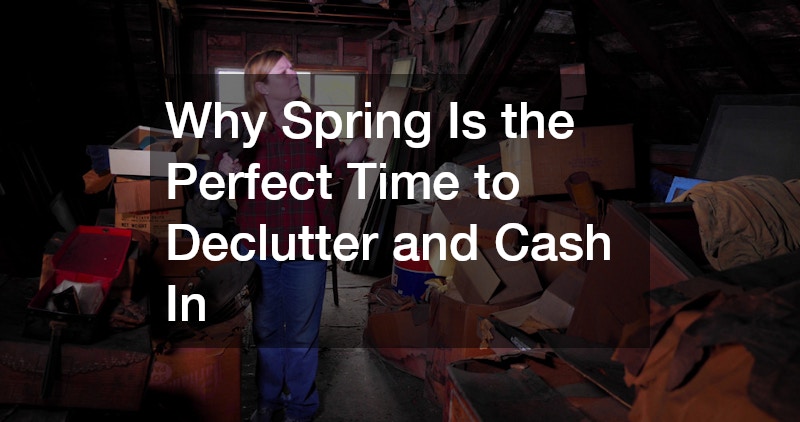
There is something about the arrival of spring that makes people naturally want to reset. The days get longer, the windows get opened, and suddenly every corner of the house that felt manageable in winter looks cluttered and overwhelming. That instinct is worth acting on, because the motivation that comes with seasonal change is one of the most powerful decluttering tools a family has.
Beyond the psychological lift, spring is also one of the best times of year to sell. Yard sale season kicks off in earnest, online marketplaces see increased activity, and buyers who have been cooped up all winter are actively looking for deals. Timing your decluttering effort to coincide with peak buyer interest means your items are more likely to sell quickly and at a fair price. A little strategy goes a long way when the goal is not just a cleaner home but a more financially rewarding one.
Start With a Room-by-Room Assessment
Before anything gets sold, donated, or thrown away, you need a clear picture of what you are working with. The most effective way to do that is to move through your home one room at a time, resisting the urge to jump around or get distracted. Bring a notepad, take photos, and permit yourself to look at everything with fresh eyes — not as the person who bought it or received it as a gift, but as someone seeing it for the first time.
As you go, sort everything into four categories: keep, sell, donate, and dispose. The keep pile should be reserved for things you genuinely use, love, or need. Everything else belongs in one of the other three categories. Getting the whole family involved in this process makes it faster and reduces the emotional friction that often stalls decluttering projects. When everyone has a role — even if it is just deciding whether something goes in the sell pile or the donate box — the process moves forward, and the results feel shared.
Identifying What You Have That Is Actually Worth Money
One of the most common decluttering mistakes is assuming that old means worthless. In many cases, the opposite is true. Age, rarity, condition, and provenance all play a role in determining what something is worth, and the items most likely to be valuable are often the ones that have been sitting untouched for years precisely because they were never considered useful enough to bring out.
The difference between sentimental value and market value is important to understand before you start selling. Something can mean a great deal to your family and have very little resale value, and something can look unremarkable and turn out to be worth significant money. Before pricing anything for a yard sale or listing it online, do a few minutes of research. Search completed listings on resale platforms to see what similar items have actually sold for, not just what sellers are asking. Getting realistic about the condition matters too. Buyers in every category apply significant discounts for damage, missing parts, or poor presentation, so cleaning and photographing items well before listing them is always worth the effort.
What to Do With Old Jewelry and Precious Metals

Jewelry is one of the most common finds during a thorough decluttering session, and it is also one of the most consistently valuable. Broken necklaces, single earrings, outdated pieces that have not been worn in years, and inherited items that do not suit your taste are all worth evaluating before they get tossed or donated.
When it comes to selling gold, silver, or platinum jewelry, understanding the basics of how pricing works will protect you from leaving money on the table. Precious metals are priced by weight and purity, and the market fluctuates daily. Getting quotes from multiple jewelry buyers before agreeing to any sale is one of the simplest ways to ensure you are being treated fairly. Prices can vary significantly from one buyer to the next, so shopping around is always worthwhile. For families with a meaningful amount of gold to sell, researching current cash for gold rates before walking in the door puts you in a much stronger negotiating position and helps you recognize a fair offer when you see one.
Turning a Collection Into Cash
Collections have a way of accumulating quietly over the years — a few items here, a few there — until one day you look at a shelf or a storage box and realize you are sitting on something that takes up considerable space and may be worth considerable money. The challenge with collections is that their value is often invisible to people outside the hobby, which means sellers frequently underestimate what they have.
For families sorting through inherited or long-held coins and collectables, the first step is always research. Condition is everything in the collectibles market, and items that have been stored carefully and handled minimally are almost always worth more than those that show wear. A reputable coin buyer can assess individual pieces, provide current market valuations, and offer a fair purchase price for items you are ready to part with. Unlike general resale platforms, where you might wait weeks for the right buyer to find your listing, specialty buyers have established networks and active demand for quality pieces.
Selling or Repurposing Large and Bulky Items
Large items present a unique logistical challenge during a decluttering project. Furniture, appliances, outdoor equipment, and storage structures are difficult to move, hard to photograph well, and expensive to ship — which makes selling them feel more complicated than it actually is. The key is matching the item to the right outlet.
For furniture and appliances in good condition, local online marketplaces and Facebook groups are often the fastest path to a sale because buyers can arrange their own pickup. For larger outdoor storage structures, there is growing interest in repurposed shipping containers as alternative storage solutions, which has expanded the market for used industrial and storage equipment of all kinds. If an item is too damaged or outdated to sell, donation centers and Habitat for Humanity ReStores are worth a call before you default to disposal — what feels worn out to you may be exactly what someone else is looking for.
Responsibly Disposing of Electronics and Technology

Old electronics are one of the most problematic categories of household clutter because they cannot simply be thrown in the trash. Televisions, computers, printers, smartphones, and other devices contain materials that are harmful to the environment when they end up in landfills — and in many states, disposing of them improperly is actually illegal.
Proper electronics disposal begins with determining whether a device still has any value. Smartphones, laptops, and tablets less than five years old often have meaningful trade-in or resale value even if they no longer meet your needs. Manufacturer trade-in programs, carrier buyback offers, and certified resellers are all worth checking before you write a device off as worthless. For items that are truly at the end of their life, many municipalities offer electronics recycling drop-off events, and national retailers like Best Buy accept a wide range of devices for responsible recycling at no charge.
Getting Rid of Old Vehicles, Equipment, and Outdoor Items
Few things take up more space — or generate more guilt — than a vehicle that no longer runs sitting in a driveway or garage. Whether it is a car that needs more repairs than it is worth, a riding mower that gave out two seasons ago, or a boat trailer that has not moved in years, these items have a way of becoming permanent fixtures when the effort of dealing with them feels too great.
The cash for cars market has made it significantly easier to convert a non-running or low-value vehicle into money without the hassle of finding a private buyer. Many services will come to you, handle the paperwork, and pay on the spot. For metal items that are beyond use — old equipment, appliances, structural components, or automotive parts — a local scrap yard will purchase them by weight. It is rarely a fortune, but it is more than zero, and it clears space that has likely been spoken for far too long.
What to Do With Decorative, Natural, and Specialty Items
Not everything of value fits neatly into a standard category. Decorative items, vintage pieces, handmade goods, and specialty materials often require a more targeted approach to selling because their buyer pool is smaller and more specific. The good news is that buyers who are looking for these items tend to be knowledgeable, motivated, and willing to pay fair prices when they find what they want.
Natural stones — including raw crystals, polished gems, decorative rock collections, and mineral specimens — have a dedicated and growing collector base that actively shops online marketplaces, specialty fairs, and estate sales. If you have inherited or accumulated stones and minerals without knowing much about their value, a quick search of completed sales on platforms like eBay will give you a realistic sense of the market. Presentation matters significantly in this category, so cleaning items carefully and photographing them against a neutral background will improve both visibility and perceived value.
Turning Your Decluttering Haul Into a Financial Plan

Once the selling process is underway, it is worth being intentional about what happens to the money you generate. Without a plan, small amounts of cash from individual sales have a tendency to disappear into everyday spending without making any real impact. Assigning your decluttering earnings a specific purpose — a family vacation fund, a home repair savings account, a contribution to an emergency fund — gives the whole project a motivating goal beyond just a cleaner house.
Timing your sales strategically can also maximize your return. Online listings get more attention on weekends. Yard sales perform better in warmer months and in neighborhoods with high foot traffic. Specialty buyers like pawn shops can be a useful resource for quick cash when you need liquidity fast, though they typically offer less than you might get through a direct sale to a motivated buyer. Understanding the tradeoff between speed and return helps you make smarter decisions about which items to sell where.
The families who benefit most from decluttering are the ones who make it a regular practice rather than a once-in-a-decade overhaul. When you build a habit of evaluating what you own, letting go of what you no longer need, and being thoughtful about what comes into your home in the first place, the annual spring clean becomes less of a marathon and more of a tune-up. The financial benefits compound over time, too — each year’s effort builds on the last, and the clutter never gets a chance to reach the overwhelming levels that make the process feel daunting. Start this spring with a plan, involve your whole family, and treat every item you clear out not as junk to be discarded but as an opportunity waiting to be recognized.